Six years ago, I wrote my first article for CAELI about environmental literacy from the perspective of a regional municipality. I was serving as a public affairs leader in the water sector, working at the intersection of public water systems, community engagement, and education partnerships. While not new to water, I was new to environmental literacy, energized, and learning the terrain.
The framework felt visionary, and my argument was simple: Environmental literacy is not enrichment. It is infrastructure.
At the time, that belief was instinctive. Today, it is proven.
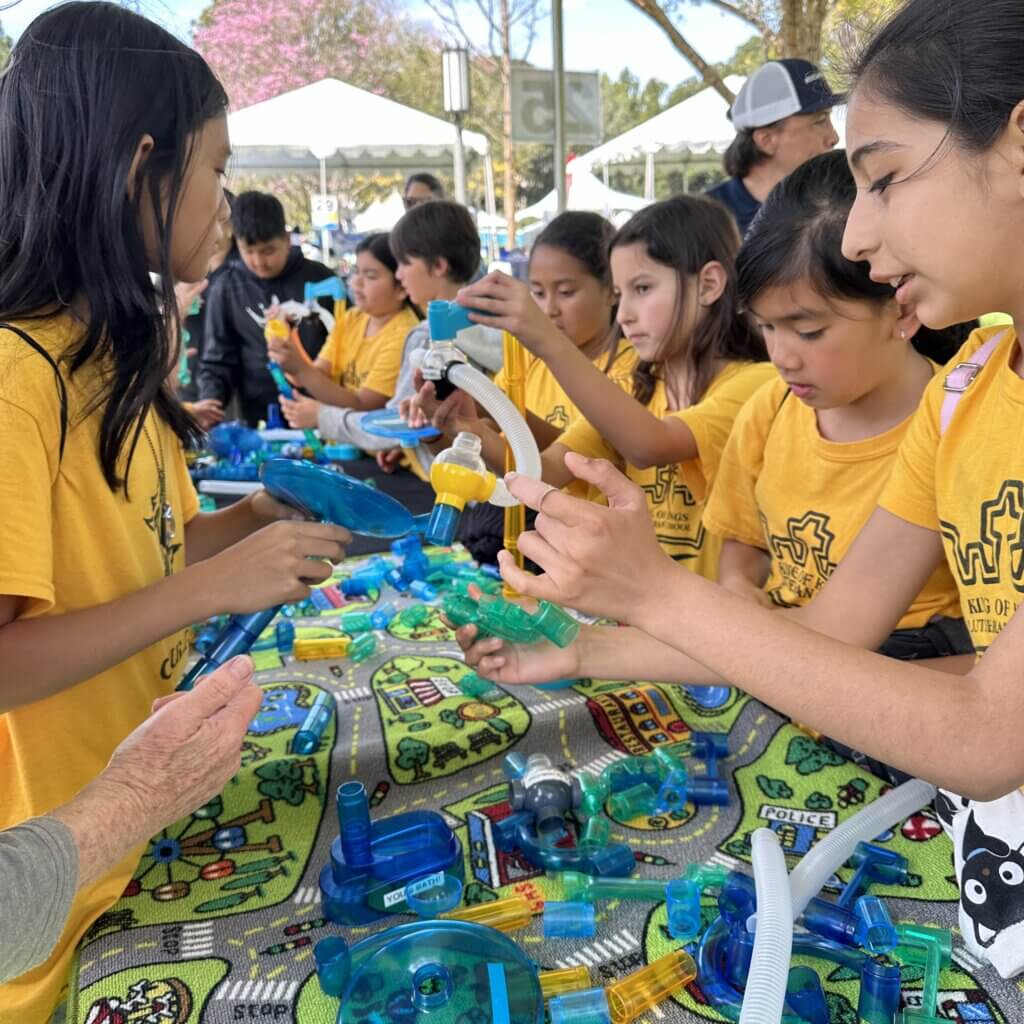
Environmental literacy is often framed through curriculum, standards, or policy. Those matter. Beneath them lies something more enduring. Environmental literacy is connective infrastructure linking natural systems and human systems, classrooms and utilities, public health and long-term economic stability.
For me, the work was never only about what students know about water. It has always been about understanding the natural systems that sustain life, including water, energy, food, land, and air, and how that understanding shapes the decisions we make at home, at work, and as we prepare the next generation to carry both the benefits and the responsibilities of stewardship.
Six months after that first article, the world shifted.
Schools closed. Offices emptied. Kitchen tables became classrooms. Economic uncertainty rippled through every sector.
And water still flowed.
Residential demand rose as business districts fell silent. Utilities recalibrated operations while safeguarding public health. Infrastructure held because people held it.
In that moment, it became clear that systems are sustained by people who have learned, long before crisis, to understand complexity, draw on lived experience, and design solutions through inquiry rather than instinct, because the future of our communities is not something we leave to chance but something we intentionally build.
That realization sharpened the purpose of the Water Energy Education Alliance (WEEA).
WEEA began as a regional workforce coalition, founded by an environmental literacy practitioner and supported by Ten Strands and industry partners to integrate environmental literacy into career technical education. Stepping into leadership felt like a natural extension of my education work, because water is not only life but livelihood.
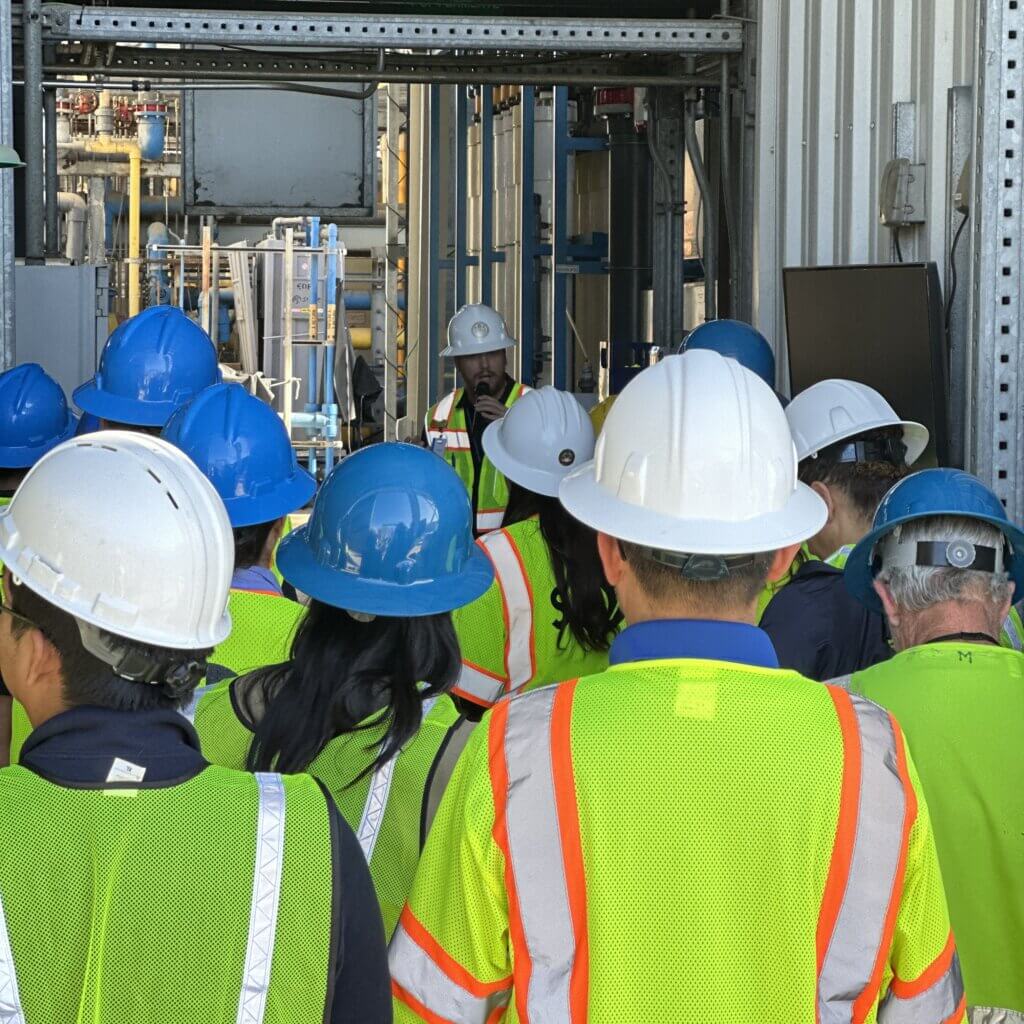
If students understand natural systems, they should also understand the human systems that steward the full water cycle from source to delivery to treatment and responsible return. They should see themselves not only as learners of science, history, math, and art but as future stewards of essential infrastructure. Understanding these interconnected systems cultivates informed decision-makers capable of sustaining both environment and economy.
What began as convening became coordination. Questions replaced assumptions.
Where are students exposed to water careers?
How early does that exposure begin?
How are educators supported in connecting standards to real-world systems?
How are utilities engaging upstream in developing their future workforce?
Environmental literacy begins with curiosity. WEEA applied that same discipline of inquiry to itself.
Over time, alignment expanded beyond individual partnerships into a statewide network of more than 260 organizations across education, industry, and community sectors. The growth was not accidental. It grew the way healthy ecosystems grow, as a connected learning network where each strengthened relationship reinforced the whole.
Seeds grow when conditions are right.
In 2023, a fifteen-month collaboration with the Centers of Excellence for Labor Market Research put data behind what we were hearing across regions, identifying workforce demand and skills gaps in California’s water and wastewater sector. The statewide report clarified four priorities: diversity, awareness, partnerships, and skills.
Those priorities created structure, coherence, and momentum.
Within those priorities, diversity extends beyond representation. Workforce resilience depends on varied interests, skills, and approaches to problem-solving. In the water sector alone, more than two hundred careers span engineering, operations, communications, policy, data science, and environmental compliance. Sustaining water requires many kinds of minds. When students see that breadth, they begin to see themselves.

Access matters. Visibility matters. Belonging matters.
The more we listened, the clearer it became. Students could not always see the pathway. Partners were not always aligned. Hands-on learning was not evenly accessible. So we built partnerships that connect learning to opportunity.
What began as a regional workforce initiative evolved into a replicable model of systems alignment, with education, industry, and community operating in partnership rather than in parallel.
Environmental literacy does not create partnership on its own. But when it is foundational, it gives education, industry, and community a shared lens. The work begins to look connected instead of separate.
It becomes a continuum.
It begins with understanding the natural systems that sustain life. It extends through the human systems that steward them. It moves from classroom to career, from awareness to participation, from participation to resilience.
Six years ago, I wrote that environmental literacy is infrastructure.
Today, I would add this: It is living infrastructure—a healthy continuum where education, workforce, and community reinforce one another. When we design for connection, systems hold. When systems hold, communities thrive.
Environmental literacy is not enrichment.
It is how the whole system stays whole.