Advocacy is one of Ten Strands’ three strategic pillars, where we work at the state level to meet the urgency of the climate crisis and the need for environmental justice by catalyzing change through an innovative whole systems approach.
Our current advocacy efforts include the initiatives below that advance our mission to increase environmental literacy throughout the system of TK–12 public education in California.
Jump to:
- A Seal of Climate Literacy for California Students
- Climate Ready Schools Coalition
- California Campaign for Outdoor Learning
- Getting Seeds to Solutions in Classrooms
A Seal of Climate Literacy for California Students

WHAT: Ten Strands and partners are advocating for the creation of a Seal of Climate Literacy. This is a voluntary high school diploma distinction that recognizes students for demonstrating climate and environmental literacy through coursework and community engagement. Modeled after Colorado’s 2024 Senate Bill 24-014 and California’s existing Seals of Biliteracy and Civic Engagement, the Seal would celebrate students’ leadership and knowledge while strengthening pathways into green careers. It would also support California’s broader climate goals by fostering student agency, community connection, and real-world climate problem solving. Learn more here.
THE NEED: Developing a California Seal of Climate Literacy would require coordination between the California Department of Education, County Offices of Education, and local education agencies (LEAs) (e.g., school districts). LEAs could choose to offer the Seal and partner with local businesses, nonprofit organizations, higher education institutions, and industry leaders to support experiential learning opportunities. A key step is defining the criteria for earning the Seal, which might include:
- Completion of relevant coursework (e.g., environmental science, climate studies, or interdisciplinary climate literacy–aligned classes)
- Participation in a hands-on experiential learning project addressing a local or regional climate issue
- Demonstration of knowledge and skills aligned with California’s climate mitigation and adaptation goals
POLICY GOALS:
- Establish the Seal of Climate Literacy through legislation or CDE action, following the successful models of the Seals of Biliteracy and Civic Engagement.
- Incentivize schools and districts to offer the Seal by integrating it into statewide recognition and college/career readiness frameworks.
- Encourage partnerships among education, industry, and community organizations to expand hands-on learning and green career pathways.
- Support youth agency, leadership, and mental wellbeing through action-oriented climate education.
STATUS: The effort to establish a California State Seal of Climate Literacy is co-led by Ten Strands, UndauntedK12, the California State PTA, and Silicon Valley Youth Climate Action, with support from Lyra, the Colorado-based organization that pioneered the Seal. On June 1, the California State Senate passed SB 1048 (Becker), which would establish a State Seal of Climate Literacy, with unanimous bipartisan support. The bill passed through the Assembly Floor (72 aye, 3 no) on August 25, 2026. On Tuesday, September 29, Governor Newsom signed SB 1048 into law, officially establishing California’s voluntary State Seal of Climate Literacy! Supporters across California played a huge role in building momentum for the Seal, with student voices and school district endorsements advancing the effort.
Press release announcing the Seal’s introduction
Press release announcing the Seal becoming law
Legislative fact sheet
Letter of support
Bill text
Climate Ready Schools Coalition
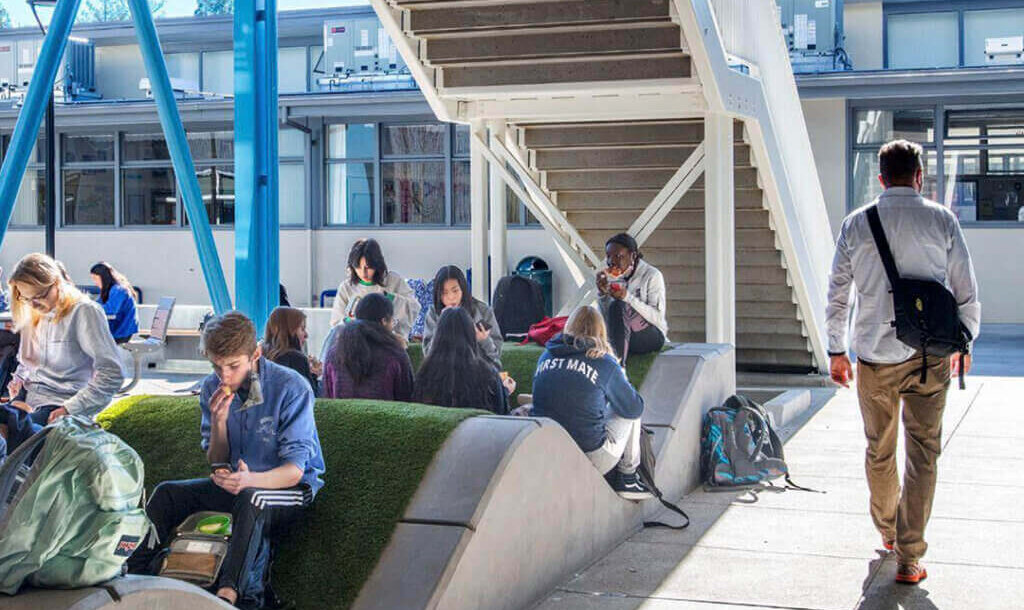
WHAT: The Climate Ready Schools Coalition, led by Ten Strands and UndauntedK12, advances policies and investments that align California’s school facilities, funding systems, and planning processes with climate resilience, sustainability, and student health. The coalition works to ensure that major public investments in school infrastructure support safe, healthy, climate-ready campuses rather than locking schools into outdated, high-polluting systems.
THE NEED: California schools face increasing climate impacts, including extreme heat, wildfire smoke, flooding, and power disruptions. Districts need coordinated regional support, clear policy pathways, and sustained funding to plan ahead, modernize facilities, and maximize existing state and federal resources. Strategic investments and policy alignment will help schools respond proactively, reduce emergency costs, and create healthier learning environments for students and staff.
POLICY GOALS:
- Protection, deployment, and long-term funding for CalSHAPE to improve indoor air quality, ventilation, and energy performance in schools.
- CalSHAPE (the California Schools Healthy Air, Plumbing and Efficiency Program) provides 100% grant funding to upgrade HVAC systems in public schools across California. Established by AB 841 in 2020, the program helps schools assess and improve ventilation, indoor air quality, and energy performance. More than 4,500 schools, half of them in underserved communities, received grants to conduct initial HVAC assessments. The program is set to sunset on January 1, 2027, with $194 million in unspent funds frozen since 2024 and set to revert to investor-owned utilities if the legislature does not act. Learn more here.
- The budget window is closing. Tell your legislator to extend CalSHAPE and get these funds to schools.
- $15M for Regional Climate Resilient Schools Coordinators to provide planning support, funding navigation, and regional coordination through County Offices of Education.
- High-heat and low-cost climate resilience policy wins that help districts implement practical, affordable solutions to climate risks.
STATUS: The Climate Ready Schools Coalition continues to advance a coordinated advocacy strategy with state leaders, agency partners, and education stakeholders. Unfortunately, efforts to preserve CalSHAPE and make its remaining funds available to schools were not successful this year. While legislation passed extending the timeline for schools with existing projects to complete them, approximately $191 million in unused funds will be returned to utilities under existing law. The Coalition will continue to advance broader policy solutions that help districts prepare for increasing climate impacts.
California Campaign for Outdoor Learning: The Outdoor Learning and Environmental Literacy Act of 2026
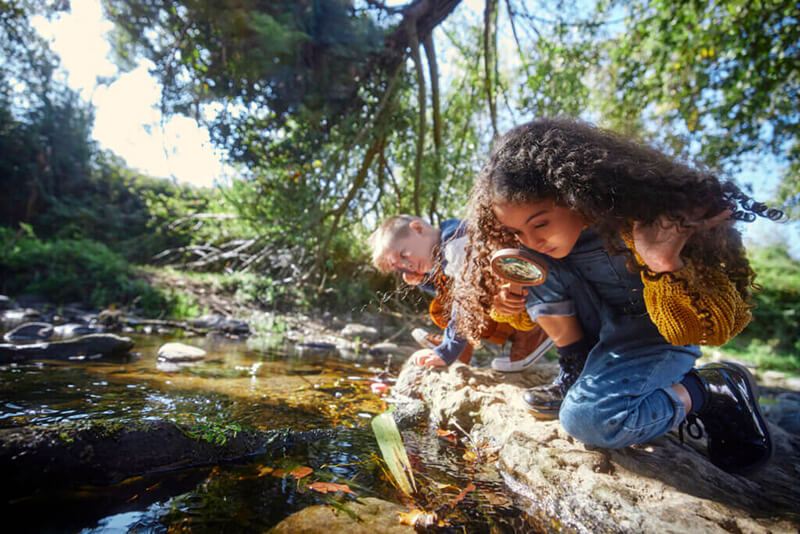
WHAT: The California Campaign for Outdoor Learning, a Ten Strands Outdoor Learning Initiative, advances policies that make outdoor learning a normal, accessible, and powerful part of California’s education system. The campaign promotes learning experiences that support student well-being, environmental literacy, and academic engagement by expanding where and how learning happens, allowing for strengthened community connections and place-based learning across TK–12 schools.
THE NEED: Many students lack regular access to outdoor learning, despite strong evidence that it supports mental health, academic engagement, and deeper learning. Schools need clear statewide guidance, supportive policy frameworks, and professional learning to integrate outdoor learning safely and equitably. Making outdoor learning a normal, accessible, and powerful part of California’s education system, where students can spend 20–25% of their learning time outdoors, expands where and how learning happens. This approach strengthens student well-being, environmental literacy, and academic success while deepening community connections and place-based learning.
POLICY GOALS:
- Advance legislation that recognizes outdoor learning as an instructional context in California schools
- Provide statewide guidance to support safe, equitable implementation
- Support local planning and professional learning for educators and school systems
- Establish a three-year outdoor learning pilot program, contingent on funding
STATUS: Ten Strands proudly sponsored AB 2158 (Hoover), the Outdoor Learning and Environmental Literacy Act of 2026. The bill built significant bipartisan and bicameral momentum, including unanimous support in the Assembly and Senate Education Committee and more than 700 supporters across California. It recognized outdoor learning as an effective instructional approach while preserving local control and creating no new curriculum mandate. However, AB 2158 was held in suspense by the Senate Appropriations Committee, meaning it will not move forward this year and cannot be revived in its current form. Ten Strands remains committed to advancing outdoor learning and environmental literacy statewide and building on the broad coalition of supporters.
Legislative fact sheet
Bill text
Letter of support
Getting Seeds to Solutions in Classrooms

WHAT: California has invested in groundbreaking, solutions-oriented instructional materials that integrate climate change and environmental justice across K–12 education. Known as Seeds to Solutions, these free statewide resources give educators tools to empower students as informed, engaged community members. Ten Strands, in partnership with the San Mateo County Office of Education (SMCOE), is advancing a statewide implementation strategy to ensure these materials move from adoption to meaningful classroom practice.
THE NEED: California now has a strong climate curriculum, but without coordinated support, many districts lack the capacity to implement it fully and equitably. County Offices of Education serve as a critical bridge between state policy and local practice, helping districts translate these instructional resources into real learning experiences for students. Strategic investment in professional learning and regional coordination will ensure Seeds to Solutions is widely used, well supported, and accessible to all students, moving California from climate curriculum on paper to climate learning happening in classrooms.
BUDGET REQUEST: To support the widespread use of Seeds to Solutions, Ten Strands and SMCOE are requesting $10 million over three years to build upon the state’s initial investment in climate change education. We have a vision of developing statewide professional learning centered around these new instructional materials and, at the same time, building support for their widespread implementation.
POLICY GOALS:
- Expand capacity across all 58 county offices of education to support districts and schools in delivering climate literacy.
- Develop a tiered network of counties, providing targeted support based on readiness levels.
- Ensure professional learning opportunities for educators to effectively teach climate-related topics.
STATUS: The $10 million request to support statewide implementation of Seeds to Solutions was not included in the 2026–27 state budget. Ten Strands and SMCOE are continuing conversations with key legislators, state agencies, and education partners to identify opportunities to advance the funding and strengthen statewide capacity to implement these resources.
Read more about the budget request on our fact sheet.
Budget proposal
Letter of support