On September 15–16, sustainability leaders from across California gathered in Pasadena for the 20th Anniversary Green California Summit, celebrating two decades of connecting California’s public-sector leaders with sustainability solutions. This milestone event brought together leaders from state and local government, TK–12 schools, higher education, and the private sector to share ideas, tools, and approaches for creating healthier, more sustainable, and climate-resilient communities.
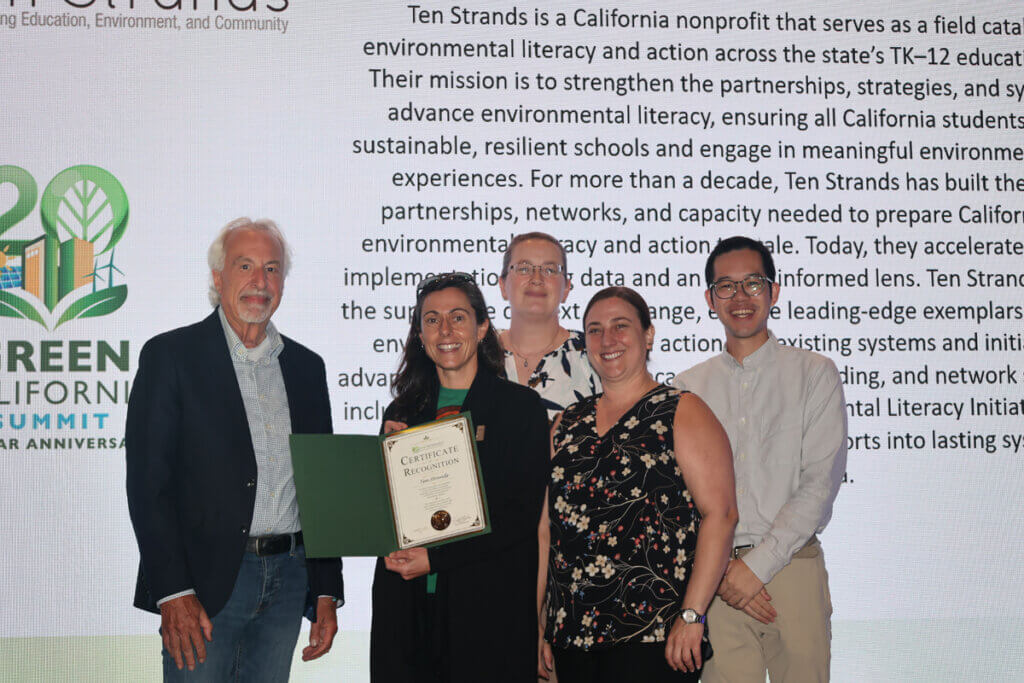
Ten Strands was proud to have a strong presence throughout the Summit—and especially honored to be recognized during the Leadership Luncheon. Across the two days, the Ten Strands team connected with attendees at the Green Expo, helped facilitate four workshops, and hosted a lunch networking gathering for members and partners of the California Environmental Literacy Initiative (CAELI). The CAELI gathering created a dedicated space for environmental literacy leaders from across the state to reconnect, build relationships, and learn more about one another’s work. This has continued a tradition that started in 2022 and has become an important part of CAELI’s participation in the Summit each year.
Planning Together for Climate-Ready Communities
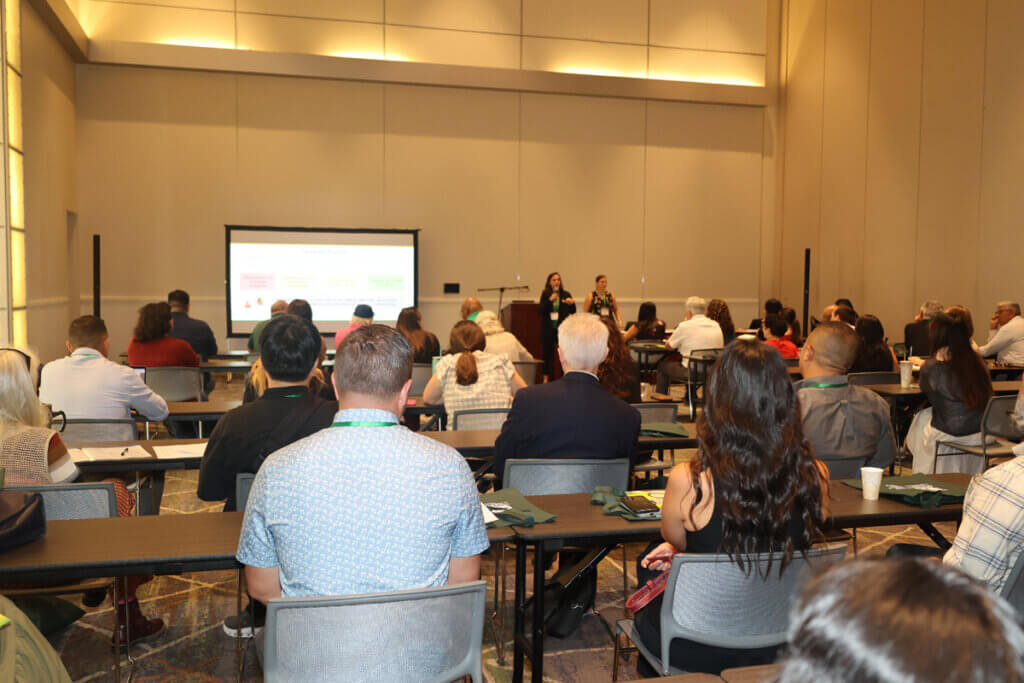
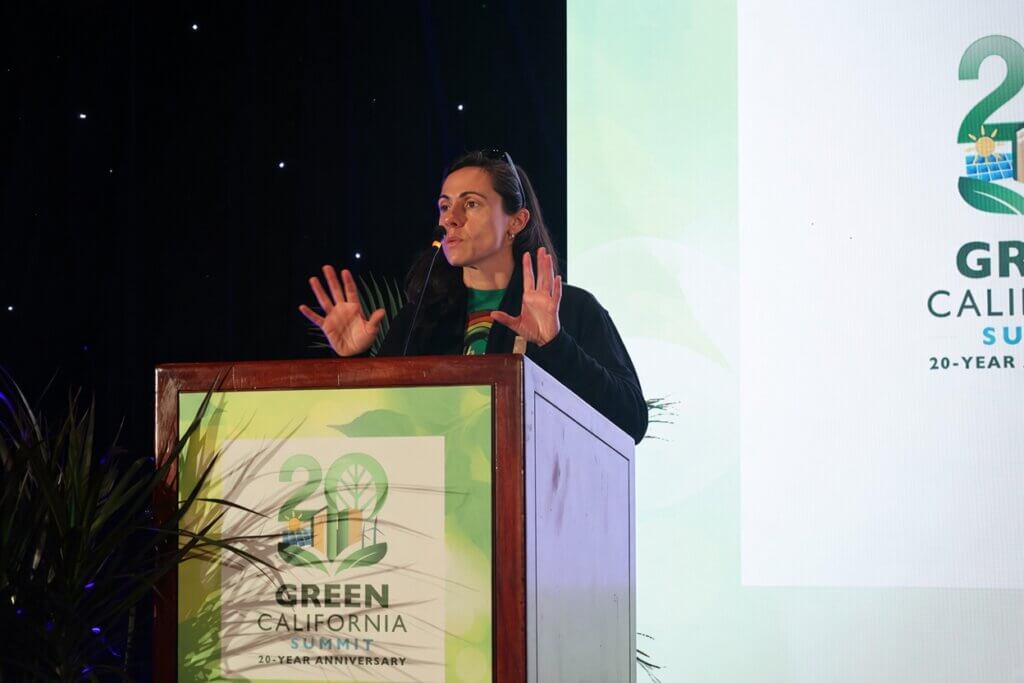
In the workshop From Reactive to Climate-Ready: A Cross-Sector Simulation and Planning Workshop for Schools, Cities, and Counties, Ten Strands led participants through an exploration of how climate impacts such as extreme heat, wildfire, flooding, poor air quality, drought, and sea-level rise affect both schools and the communities around them. Hands-on simulation and systems-thinking activities helped participants identify shared priorities—from heat mitigation and schoolyard greening to stormwater management, energy resilience, and emergency preparedness—and consider how schools, cities, and counties can work together rather than planning in isolation. The session emphasized the goal of integrating climate resilience into plans for facilities improvement, emergency preparedness, and community programs instead of treating it as one more separate initiative.
Putting Students at the Center of School Climate Action
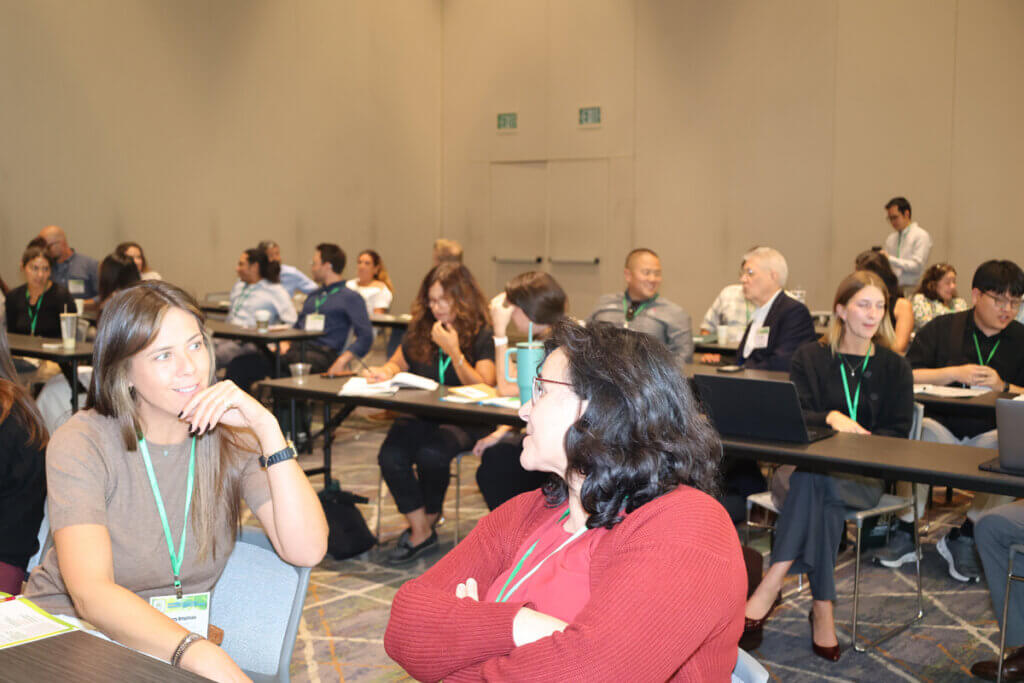
The session on School Environmental and Climate Action Analysis Tools introduced Ten Strands’ comprehensive school-site analysis tools, including checklists, interview questions, and rubrics that students can use to investigate environmental and climate action at their own schools. The approach positions students not simply as learners, but as researchers and evaluators who gather baseline data, talk with school leaders and staff, identify strengths and areas for growth, and use evidence to help inform recommendations for action.
Connecting Extreme Heat, Learning, and School Campuses
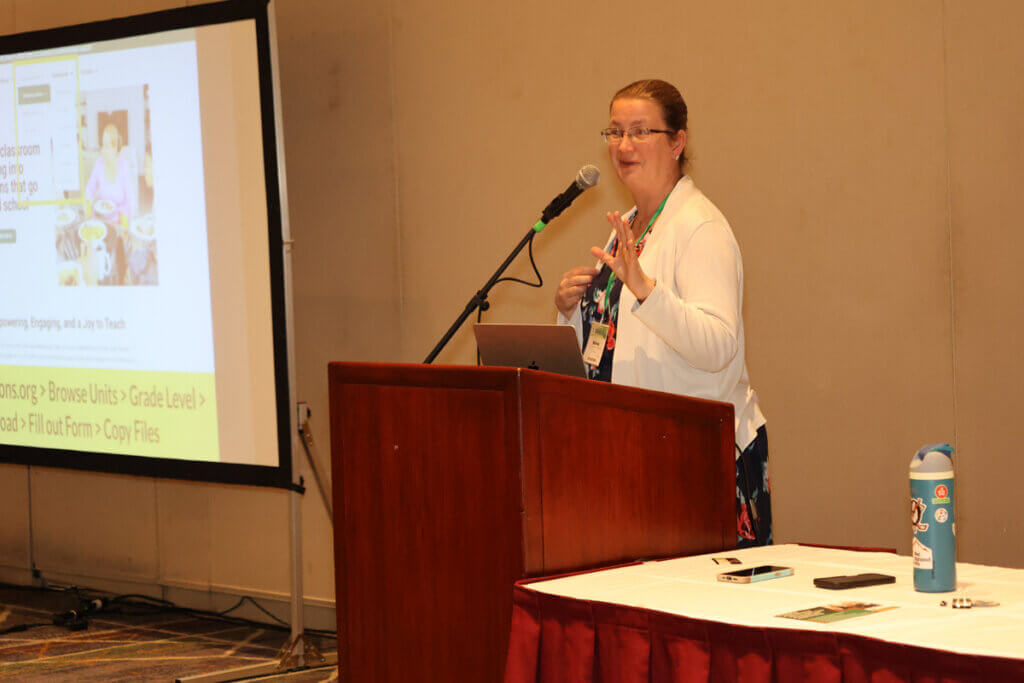
Too Hot to Learn: Connecting Climate Literacy, Campus Facilities, and Student Voice through Seeds to Solutions® showcased how an authentic local challenge—extreme heat—can connect classroom learning with the physical environments where students learn. Participants explored a Seeds to Solutions unit in which students investigate heat impacts, consider possible solutions, and develop community-focused actions. The session, presented in partnership with the San Mateo County Office of Education, also highlighted opportunities to engage facilities and operations staff around issues such as shade, aging infrastructure, and campus heat mitigation. The program demonstrated how climate literacy can create an opportunity to elevate student voice and civic participation.
Moving Climate Justice from Professional Learning to the Classroom
Finally, the From Cohort to Classroom: Climate Justice in Action session brought the experiences of educators from the 2025–26 CTA-IFT Climate Justice Cohort to the Summit. The presentation highlighted participants’ stories, demonstrating how teachers were able to translate professional learning into culturally relevant, justice-centered, and hands-on activities through the use of project-based learning, outdoor education, and community-connected investigations. The session also explored what it takes to support implementation—by providing not only professional learning, but also an ongoing Community of Practice and dedicated funding that gave educators the confidence and resources to move from intention to action.
Together, these sessions reflected the breadth of Ten Strands’ approach to environmental and climate action: supporting students and educators, strengthening school systems, and building connections across the communities and institutions needed to create lasting change.
The Summit also gave Ten Strands an opportunity to share what we have learned through this work as well as connect with partners and learn from other leaders whose ideas and experiences continue to strengthen the field.
We are grateful to Green Technology for 20 years of bringing California leaders together to pursue sustainability and healthier communities, and we’re proud to have been part of this milestone celebration.