The beginning of a new year always feels like a threshold, a quiet opportunity to reset as schools reopen, routines settle back in, and the light begins to return.
It’s a moment that invites reflection: not only on where we’ve been, but on what this moment is asking of us.
At Ten Strands, we enter this new year with gratitude, humility, and clarity. Gratitude for the partners, educators, students, and supporters who make this work possible. Humility in the face of the scale and urgency of the climate crisis. And clarity about the role schools must play—not someday, but now—in helping communities adapt, remain resilient, and prepare the next generation to lead.
Schools Matter More Than Ever
Climate change is no longer a distant concern for education. It is shaping students’ and educators’ daily realities through extreme heat, wildfire smoke, flooding, power outages, and disruptions to learning and safety. At the same time, young people are not asking to be shielded from these realities. They are asking for knowledge, honesty, and pathways to action.
Schools sit at the center of this moment.
Nearly half of Californians interact with schools in some way. School campuses are major employers, community gathering spaces, and stewards of significant land and infrastructure. They have the potential to serve as refuges during extreme conditions and as powerful models of sustainability and resilience. Yet too often, schools are left out of climate resilience planning and are under-resourced due to the persistent silos between education, environment, health, and infrastructure systems.
This disconnect is no longer tenable. If students are to learn, stay safe, and thrive in a climate-impacted reality, schools must be recognized and supported as essential hubs of community resilience.
Where We Are on the Journey
For over a decade, Ten Strands has worked to weave environmental literacy into California’s education system, supporting standards-aligned curriculum, professional learning, statewide networks, and policy change efforts. That work laid critical groundwork, helping millions of students begin to understand the interdependence of natural and human systems.
In recent years, the work has expanded, building on our successful impact in teaching and learning and extending outward and deeper. The urgency of this moment calls for more than isolated programs or incremental gains. It calls for whole-system change.
Guided by our 4Cs framework—curriculum, campus, community, and culture—Ten Strands is focused on helping schools align what students learn with what they experience every day: on their campuses, in their communities, and through the systems that shape educational decision-making. When these elements reinforce one another, learning moves from knowledge to action, and schools become living laboratories for sustainability and climate resilience.
As co-authors and partners in leading Ten Strands, we bring complementary perspectives and shared responsibility to this work. One of us carries deep continuity with the organization’s founding and long-term relationships, grounding our strategy in what has been carefully built over time. The other focuses on identifying emerging opportunities, shaping our external initiatives, and determining where strategic investments can most effectively advance whole-system change. Together, we jointly steward the organization, aligning vision and execution as Ten Strands evolves into its next chapter.
What This Year Is Asking of Us
As we look ahead, our priorities reflect a simple commitment: to move from pockets of progress to durable conditions for change, with equity at the center.
Grounding action in data and evidence
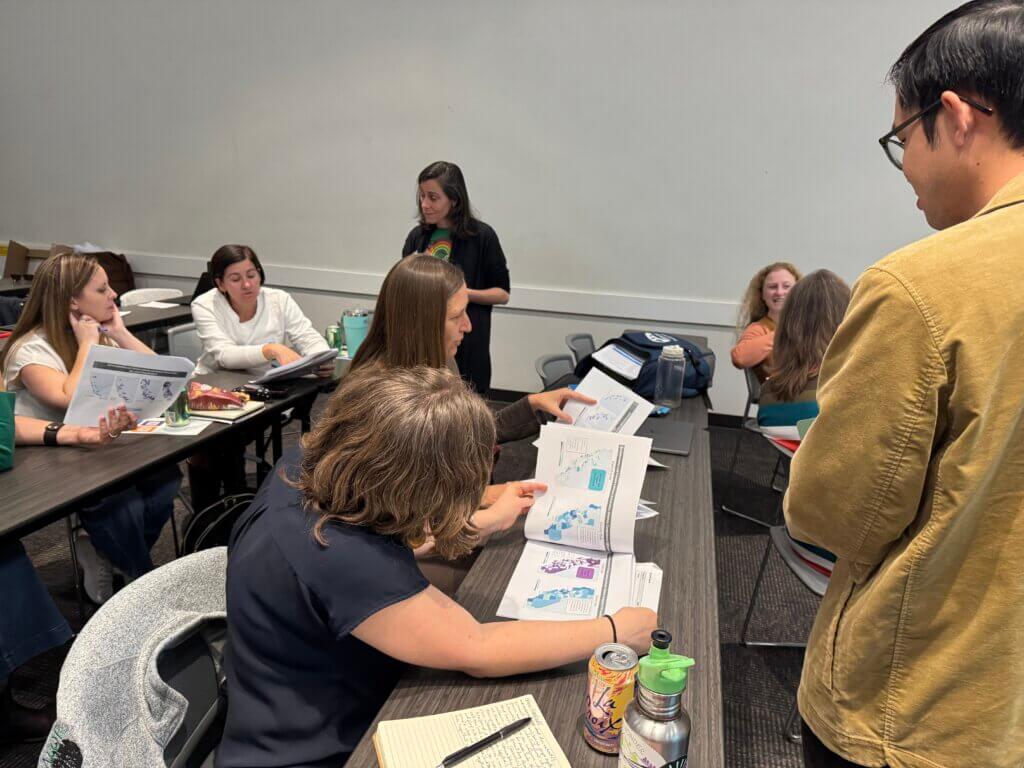
To act wisely and equitably, we need a clear picture of where schools are now. Through our statewide data initiative, we have established an unprecedented baseline of how California’s schools are advancing environmental literacy, sustainability, and climate resilience. This data helps identify gaps, surface inequities, and guide decision-making at the school, district, county, and state levels. It ensures that actions are targeted, resources are directed where they are most needed, and progress can be measured over time.
Building educator capacity at scale
Teachers want to teach about climate solutions, but many feel underprepared and unsupported. Through Seeds to Solutions, our high-quality, age-appropriate, solutions-oriented curriculum and professional learning, we meet educators where they are and help students turn concern into agency.
Connecting learning to place and lived experience
Students learn most deeply when learning is connected to the places they know—their air, water, landscapes, and communities. Place-based learning strengthens belonging, makes systems visible, and grounds climate learning in real-world relevance.
Transforming campuses into climate-resilient learning environments
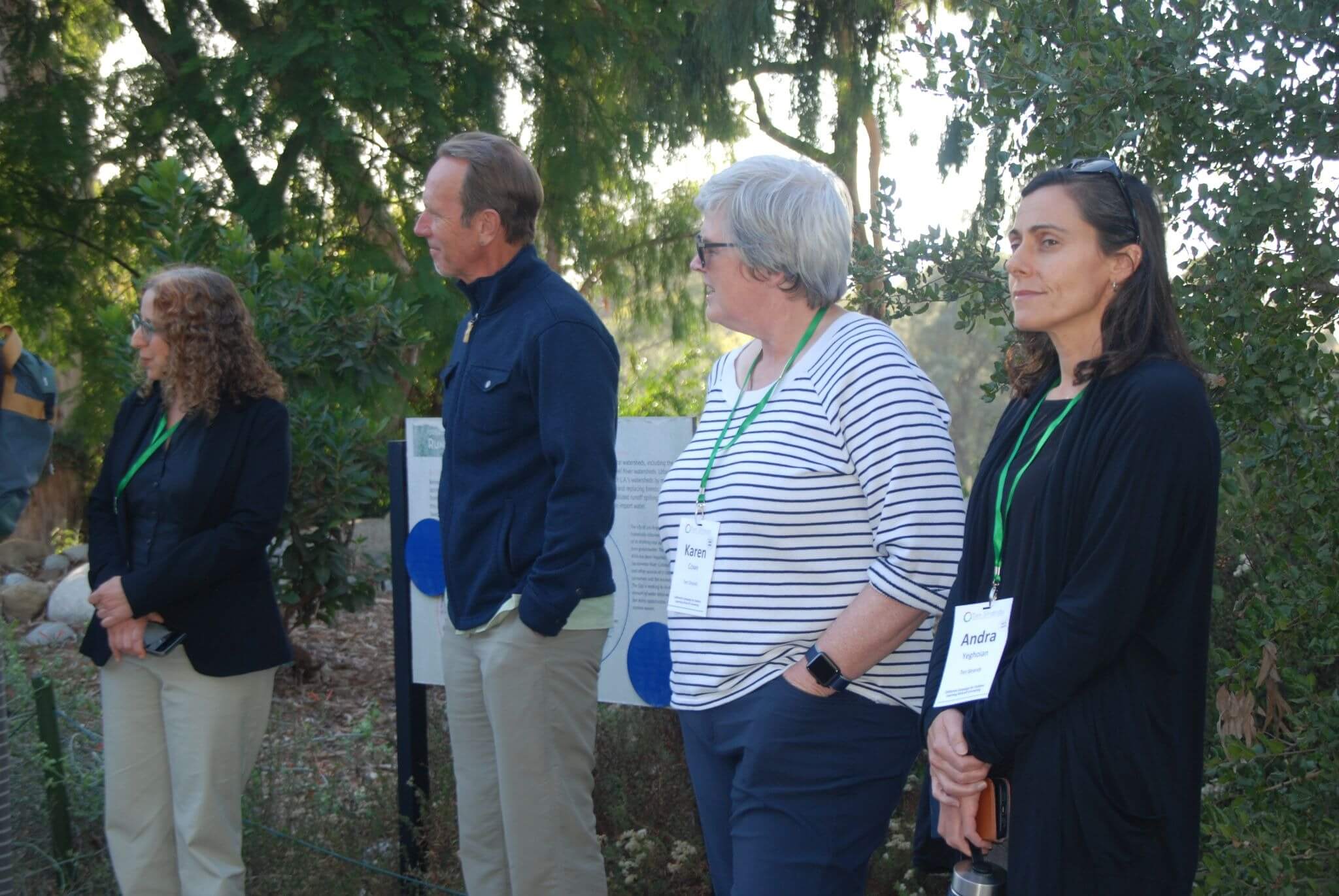
It is challenging to teach sustainability in spaces that don’t model it. Green schoolyards, outdoor classrooms, and decarbonized buildings protect student health, support continuity of learning, and reinforce classroom learning. Campuses can, and should, function as both safe havens and teaching tools.
Strengthening networks and statewide alignment
California’s scale is a strength, but only when coordination is intentional. As a backbone organization, Ten Strands helps bridge education, environmental, policy, and community systems, ensuring that data, policy, and practice reinforce one another and that equity remains a guiding principle.
Centering student well-being, equity, and hope
Climate anxiety is real, particularly for young people. Environmental literacy is not just about information; it’s about cultivating agency, connection, and a sense of possibility. When students are supported to understand systems and see pathways for action, learning becomes a source of resilience rather than fear.
Holding Urgency, and the Long View
The past year has not been easy. Shifts in federal priorities, environmental rollbacks, and intensified competition for resources have tested the resilience of many organizations working at the intersection of education and the environment. And yet, through strong partnerships, shared leadership, and sustained commitment, Ten Strands has continued to build momentum by releasing groundbreaking statewide data, expanding access to climate and environmental justice curriculum, supporting youth leadership, and advancing a growing movement for outdoor learning.
In moments when the task feels overwhelming, we return to a grounding idea often shared by Jane Goodall: focus on the single piece of the puzzle you can influence, and trust that others are holding their pieces too. Systems change happens through many hands, aligned effort, and a shared commitment to the long arc of change.
As we step into this new year, we are grateful to everyone who walks alongside us: educators, students, partners, funders, and public leaders. Together, we are helping schools become places where young people not only understand the world they are inheriting, but practice shaping the world they want to create.
Here’s to a year of deeper alignment, resilient schools, and empowered students.


2 Responses
Thank you both for your dedication, inspiring leadership, and most importantly your consistent record of accomplishment that always embodies integrity. Our huge state and every one of our 6 million students are better off because of the work you do. It’s so impressive to see you think as big as California AND at the same time make real impact in the lives of individual kids, teachers, schools and districts!
Your systems-based approach, and deep commitment continue to inspire hope in these times – for young people (and for the rest of us!). Thank you for your work in the world…