This article is part of our Youth Voices series. At Ten Strands, we believe that young people have valuable perspectives and a critical role in shaping our society and our world. We recognize their power to drive dialogue and create positive change and are committed to providing a platform which amplifies their contributions. Today, you’ll meet Luke Choo, one of the inspiring youth leaders contributing to this important work.
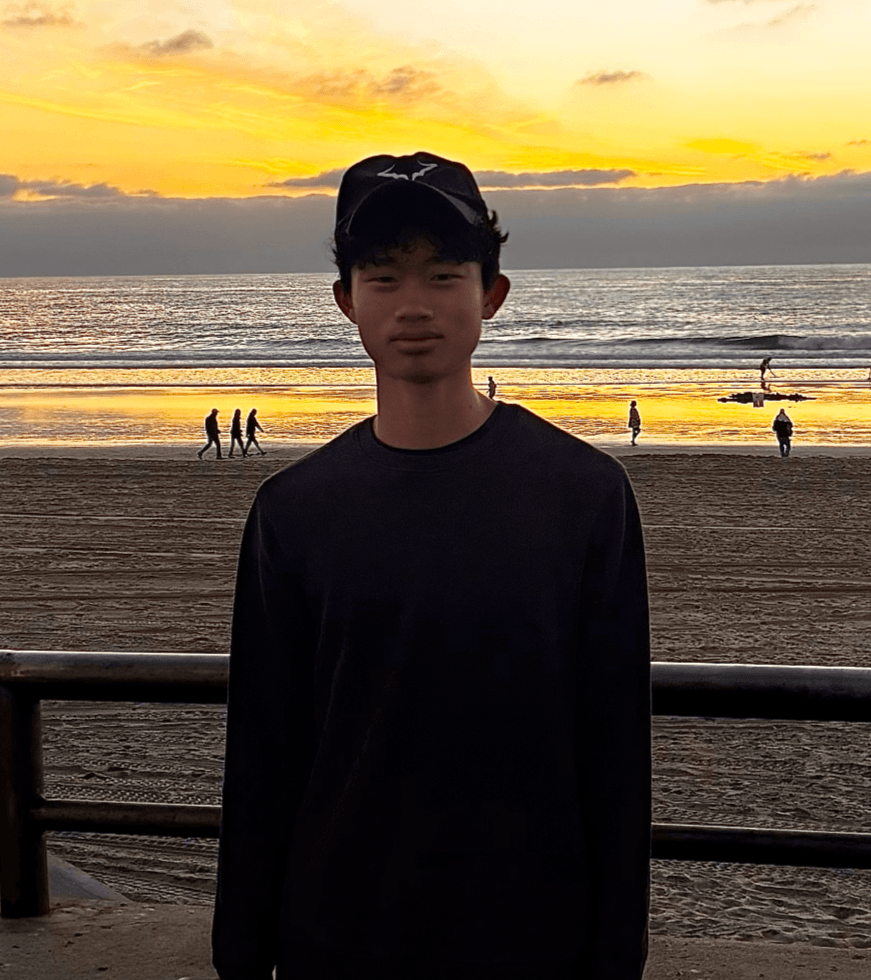
Luke Choo is a rising senior at Valley Christian High School in San Jose, California, with a passion for environmental engineering and sustainability. After participating in the California Youth Climate Policy (CYCP) Leadership Program, Luke returned to Ten Strands as a summer 2026 student intern.
During his internship, Luke analyzed California Youth Environmental Data Leadership Program (CYED) student reports to identify trends, gaps, and promising environmental practices across California high schools. He also helped improve the program toolkit for future students. Through this work, he strengthened his analytical skills and saw firsthand how student perspectives and data can help drive environmental action in schools.
Luke hopes to combine his interests in STEM and engineering with sustainability in college and his future career. journey with Ten Strands reflects the power of youth leadership, mentorship, and a commitment to turning concern into action.
Q: Briefly introduce yourself: Tell us a little bit about your background on who you are – grade level, where you go to school, geographical location, any diversity indicators (pronouns, race, ethnicity, etc.).
A: I am a rising senior at Valley Christian High School in San Jose, CA. I’m a Singaporean American. I hope to major in environmental engineering, and I really like to play tennis.
Q: Why are you interested in environmental and climate issues? And why did you want to pursue an internship with Ten Strands, an organization that focuses on environmental and climate action in TK-12 schools?
A: My interest in environmental and climate issues initially came through XPRIZE Wildfire, where I was drawn to solving wildfires through an engineering lens. But as I worked through the competition, I found myself developing a deeper passion for the broader challenge of climate action beyond just the technology. I wanted to pursue an internship with Ten Strands because I had really enjoyed my time at CYCP and found its work to be really impactful in helping students become aware of environmental action.
Q: What projects, programs, and services did your internship focus on with Ten Strands? Describe your experience and what stood out to you as you worked on different aspects of your internship.
A: During my internship with Ten Strands, I reviewed student workbooks and reports to identify common trends, recurring gaps, and recommendations across schools, while also identifying exemplary student slides and reports that demonstrated particularly thoughtful approaches to environmental integration. Alongside the data analysis, I helped restructure the program toolkit to make the resources more organized and useful for future students. What stood out to me most was seeing how many different ways students were already thinking about environmental change and the unique recommendations they developed based on their circumstances at their school.
Q: In what ways do you hope the work you did through your Ten Strands internship will make an impact?
A: I hope the work I did at Ten Strands can help people working at Ten Strands use our work to identify common trends within schools, see more examples of exemplary models of implementation and environmental approaches that have already been working across schools, and help students recognize that their data can be meaningful in creating change in California schools as a whole.
Q: What skills did you learn or grow during the internship, and/or what did you learn about yourself during this internship?
A: I learned that I like to think with an analytical perspective. Especially when I am reviewing so many student reports, I really learned to grow my skills in pattern recognition by carefully tracking percentages and common themes without losing important differences between schools.
Q: To what extent do you plan on pursuing something related to the environment in your college or career pathways?
A: Working with CYCP and now interning with Ten Strands has definitely created a passion for me to continue pursuing sustainability, not just in college but as a potential career. I hope to combine my passion in STEM and engineering to work toward solutions to environmental issues.
Q: What does it mean to be a youth climate leader, and why is youth leadership for the environment important to you? And/or, what advice would you give to young and aspiring environmental or climate climate leaders?
A: To be a youth climate leader means not only caring for the environment, but also being willing to really take action within your community without being afraid of failure. Youth leadership in environmental issues is important to me because I feel like student voices are so important. We are the ones who will inherit the planet and live with the consequences of the decisions being made today, and I think people are often more willing to listen to us because we have a personal stake in what the future looks like. My advice to young, aspiring climate leaders would be to start small by getting involved in a project, organization, or initiative on campus. You don’t have to start by leading something yourself. I think that once you take that first step, you naturally get pulled in by building a community, meeting people who share your interests, and finding new ways to contribute.
Q: How do you see data as a meaningful and powerful tool in catalyzing environmental and climate action in schools?
A: I think data is a powerful tool in climate action because it helps reveal patterns that single student reports alone cannot reveal. Turning words into numbers helps better visualize environmental issues that remain hidden and can connect awareness to action. I also realized that data can be used as evidence to move policymakers and people in positions of power to recognize the impact or scale of these issues.